In 2018 is another exciting year for my family and I. By siting in the hospital while my first daughter, Rita, is getting dengue fever- classic type, I took this opportunity to review what has been done and the challenges we overcome in the past 365 days against my goals set early in 2018. I have a bit more energy today from the last one week that I did not have enough time to sleep well for most of the nights, I am now able to sit and relax and thinking of what has been done over the year since my daughter is getting much better better. Our ending year activities are occupied by the sickness of Rita and we all are in the hospital for taking care of Rita. Thanked to the doctor and nurses for taking care of her.
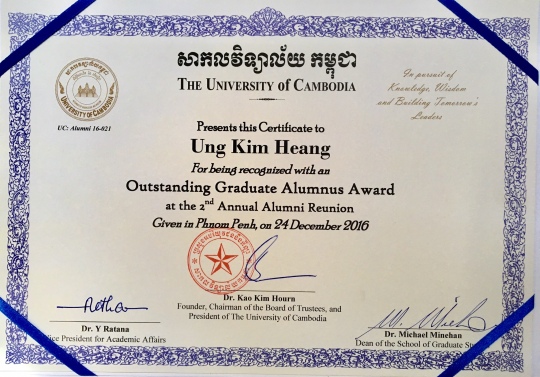
In 2018 my works has been achieving a remarkable achievements with a rating as an outstanding performer for year-end of 2017, I been have supported by the organization for a coaching and mentoring session with an experiences colleges at the regional level. This coaching potentially to build up my capacity from the different aspects. Furthermore, I am also accepted and supported by the organization for a ten-day course in Amsterdam at the coming summer in 2019, which of course, resulting from my hard works in the organization. I hope to continue this high performance throughout the year of 2019 and onward. All these achievements are contributing to my early year goals that we set especially for goal number one and number two, which will build a stronger and happier family and increased a possible opportunity whereby my professional skills can be unitized regionally or internationally.
Planning additional income sources besides my regular sources of income is still on the pipeline. However, it might take more time for me in order to get this plan putting in action but it is slowly progress though it is far to reach. I believe that something will happen in the future, which will contribute to my early year goals, set of number three.
Taking this opportunity I would like to wish everyone a very happy new year 2019 and family reunion, healthy and wealthy. I wish that 2019 will bring me at the different higher level I aim for.
Good bye 2018 and welcome 2019 !!
Thank you





 By Ung Kim Heang
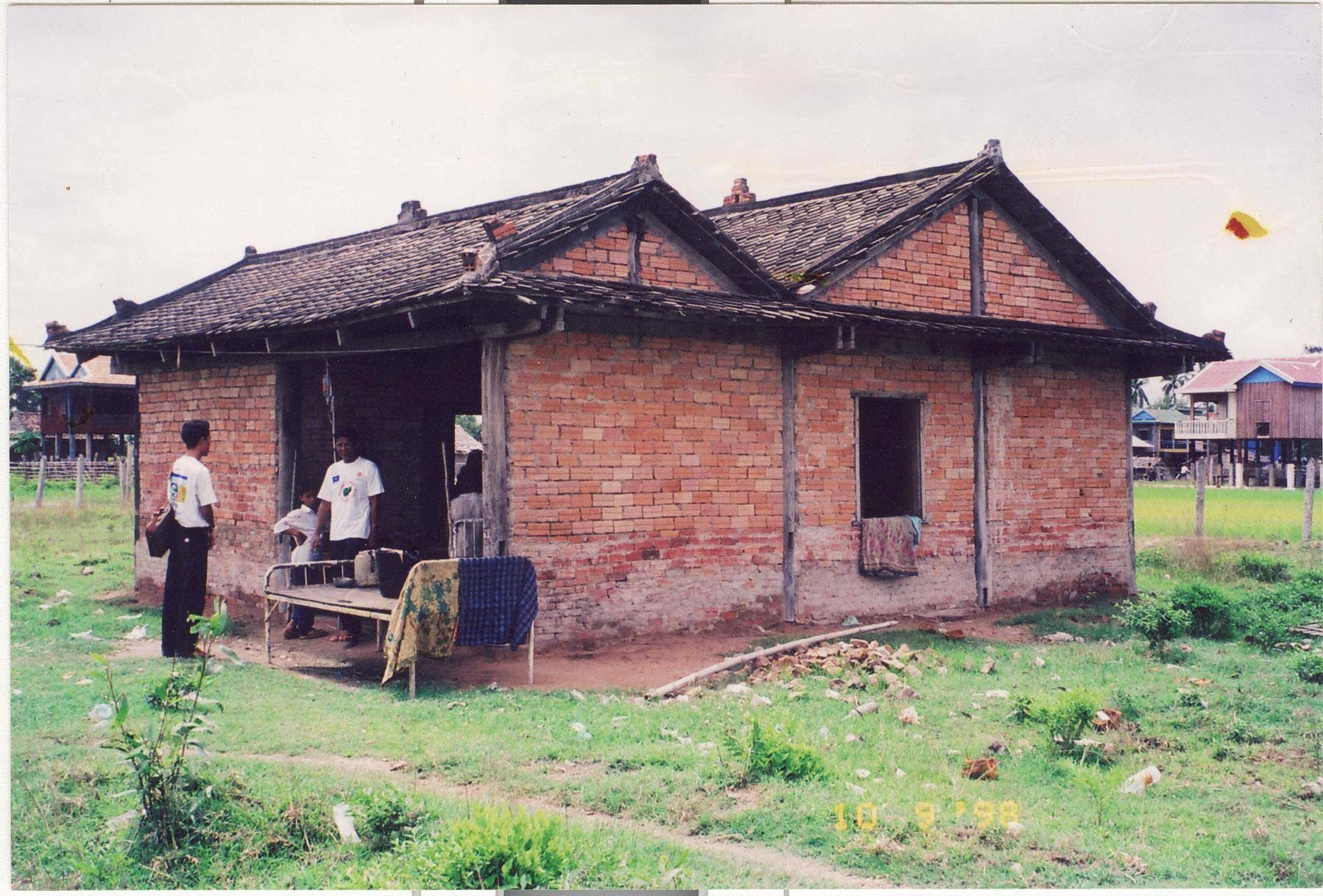 Photo credit : Dr. Philippe – Kampot Province.























 Sharing for Change !
Recent Comments